

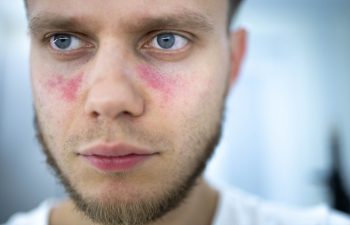
Lupus is a complex autoimmune disease that can affect many systems in the body, but for many patients, the most visible and distressing symptoms appear on the skin. Because lupus triggers the immune system to attack healthy tissue, it often causes inflammation, rashes, photosensitivity, sores, and a range of chronic skin conditions that can flare without warning. Understanding how lupus affects the skin — and how a dermatologist can help — is an important step toward long-term relief.
At Medical Dermatology Specialists in Atlanta, we specialize in diagnosing and treating lupus-related skin conditions with precision, compassion, and a collaborative medical approach. Dr. Jamie Weisman, a highly experienced medical dermatologist, is committed to helping lupus patients achieve clearer skin and sustained improvement, not just temporary relief.
Types of Lupus That Affect the Skin
Lupus is not a single disease but a spectrum of conditions. Several forms directly impact the skin, and each behaves differently. Identifying the type of lupus is essential for choosing the right treatment plan.
Systemic Lupus Erythematosus (SLE)
This is the most well-known form of lupus. While SLE affects internal organs, up to 70% or more of patients also experience skin symptoms, including the classic malar “butterfly” rash across the cheeks and nose. These symptoms often worsen after sun exposure due to increased photosensitivity.
Cutaneous Lupus Erythematosus (CLE)
CLE includes several subtypes, each presenting unique skin manifestations:
- Acute CLE: Often linked to systemic flare-ups; includes the butterfly rash.
- Subacute CLE: Causes red, ring-shaped or scaly patches on sun-exposed areas.
- Chronic CLE (Discoid Lupus): Leads to persistent circular lesions that may scar if untreated.
Drug-Induced Lupus
Certain medications can trigger lupus-like symptoms, including skin rashes, though these usually resolve once the medication is discontinued.
Because lupus can be unpredictable, rashes may come and go, change appearance, or flare under stress, sunlight, or illness. Having a dermatologist who understands these patterns is key to ongoing management.
Why Lupus Often Causes Skin Symptoms
The skin is one of the first places lupus inflammation appears. When the immune system mistakenly attacks healthy cells, the skin becomes vulnerable to irritation, redness, and damage. Sunlight often intensifies these symptoms because UV exposure can activate immune pathways involved in lupus.
Common lupus-related skin symptoms include:
- Butterfly rash across the cheeks
- Scaly or ring-shaped patches
- Thick, coin-like discoid lesions
- Increased sensitivity to sunlight
- Temporary or permanent discoloration
- Hair loss around the affected areas
- Slow-healing sores inside the nose or mouth
- Cold sore–like lesions triggered by inflammation
Many patients feel discouraged because these symptoms can flare suddenly and may not respond to over-the-counter treatments. That is why a personalized medical plan guided by a dermatologist experienced in autoimmune skin disorders is essential.
Achieving Long-Term Relief: More Than Symptom Management
While many patients are prescribed topical creams, oral medications, or steroid treatments, these approaches often provide short-term improvement rather than lasting control. Steroids, for example, can reduce inflammation quickly but may cause skin thinning or other side effects when used long-term.
Dr. Weisman focuses on comprehensive and sustainable management. Instead of addressing only the flare-ups, she works to stabilize the skin, prevent scarring, reduce the frequency of flares, and improve overall skin resilience.
This advanced approach may include:
- Identifying and avoiding personal flare triggers
- Strengthening the skin barrier
- Treating underlying inflammation rather than just surface rashes
- Using steroid-sparing therapies when appropriate
- Monitoring photosensitivity and recommending UV protection strategies
- Preventing pigmentation irregularities
- Coordinating with rheumatologists to align care plans
Because lupus is both systemic and dermatologic, successful treatment requires synchronized care between all specialists involved.
Collaboration With Your Rheumatologist
Dermatologists and rheumatologists share responsibility when managing lupus, yet many patients struggle to find providers who communicate openly across specialties. Dr. Weisman is committed to bridging that gap.
At Medical Dermatology Specialists, we work directly with your rheumatologist to ensure:
- Medications support both skin and systemic health
- Flare patterns are tracked across systems
- Lab results and skin findings are interpreted together
- Treatment plans adjust as your condition evolves
This integrated approach leads to more accurate diagnoses, more effective treatment plans, and better long-term results.
Why Choose Medical Dermatology Specialists for Lupus Skin Care
Lupus requires a dermatologist who understands its complexity and its impact on daily life. Dr. Weisman has extensive experience treating all forms of lupus-related skin disease and is dedicated to finding lasting relief for every patient. Her goal is not only to treat rashes but to improve quality of life, restore skin confidence, and provide ongoing support through every stage of the condition.
If lupus is affecting your skin — or you suspect it may be — you don’t have to manage it alone. Contact our Atlanta Lupus Treatment Experts at Medical Dermatology Specialists today to schedule a consultation and take the first step toward long-term relief.
Posted on behalf of
5730 Glenridge Drive, Suite T-100
Atlanta, GA 30328
Phone: Call (404) 939-9220
FAX: (470) 312-2157
Email: jstalls@atlmedderm.com